
Biodiversity
About biodiversity
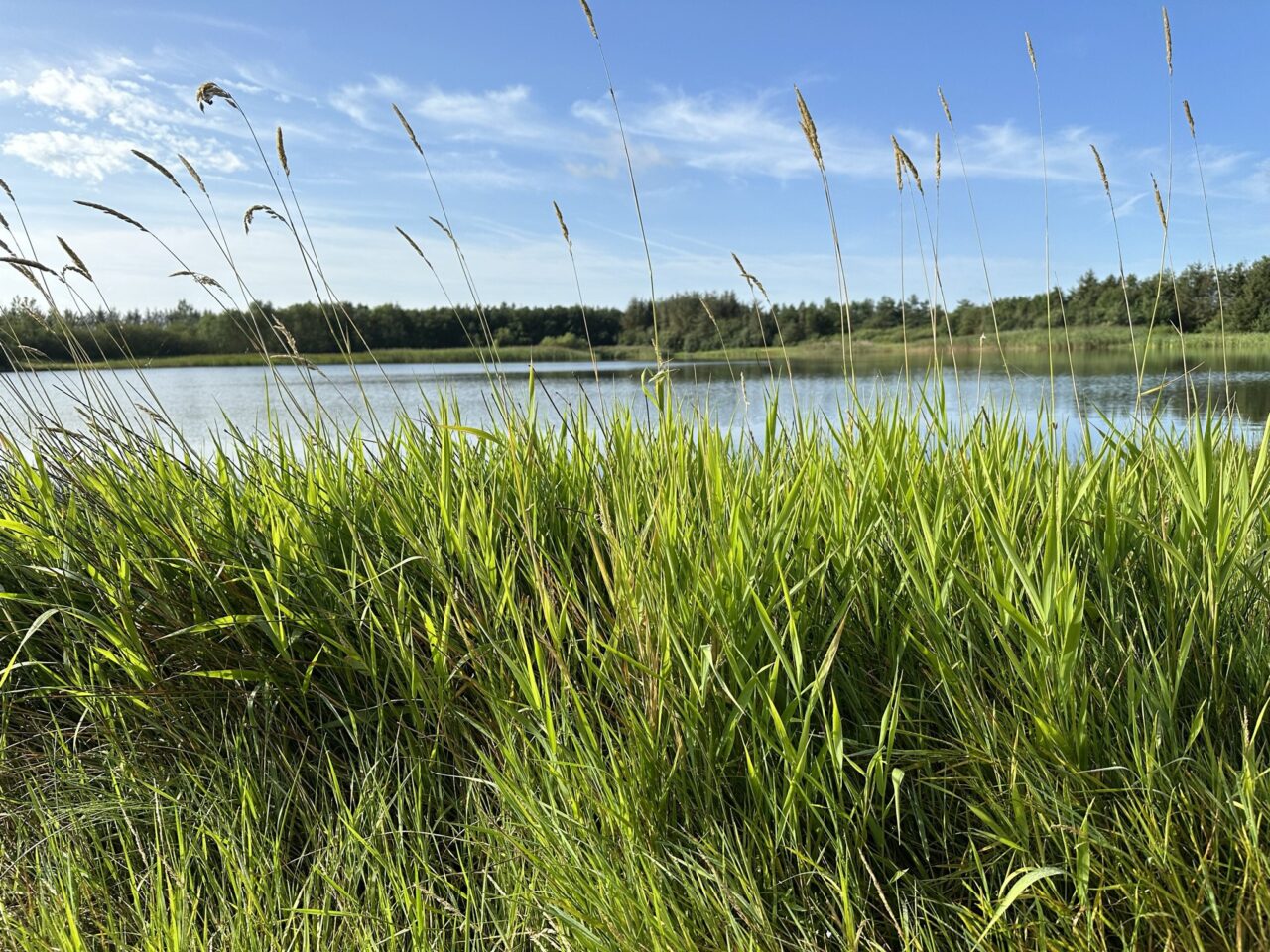
We place great emphasis on the natural and recreational areas surrounding our gravel pits and have a range of initiatives aimed at preserving biodiversity for the benefit of plants, trees and local communities.
It is important to us that nature is taken into consideration both during and after gravel extraction, and we actively work to support and enhance both terrestrial and aquatic habitats.
REPLANTING TREES
We plant between 10,000 and 20,000 trees every year in the areas surrounding our gravel pits.
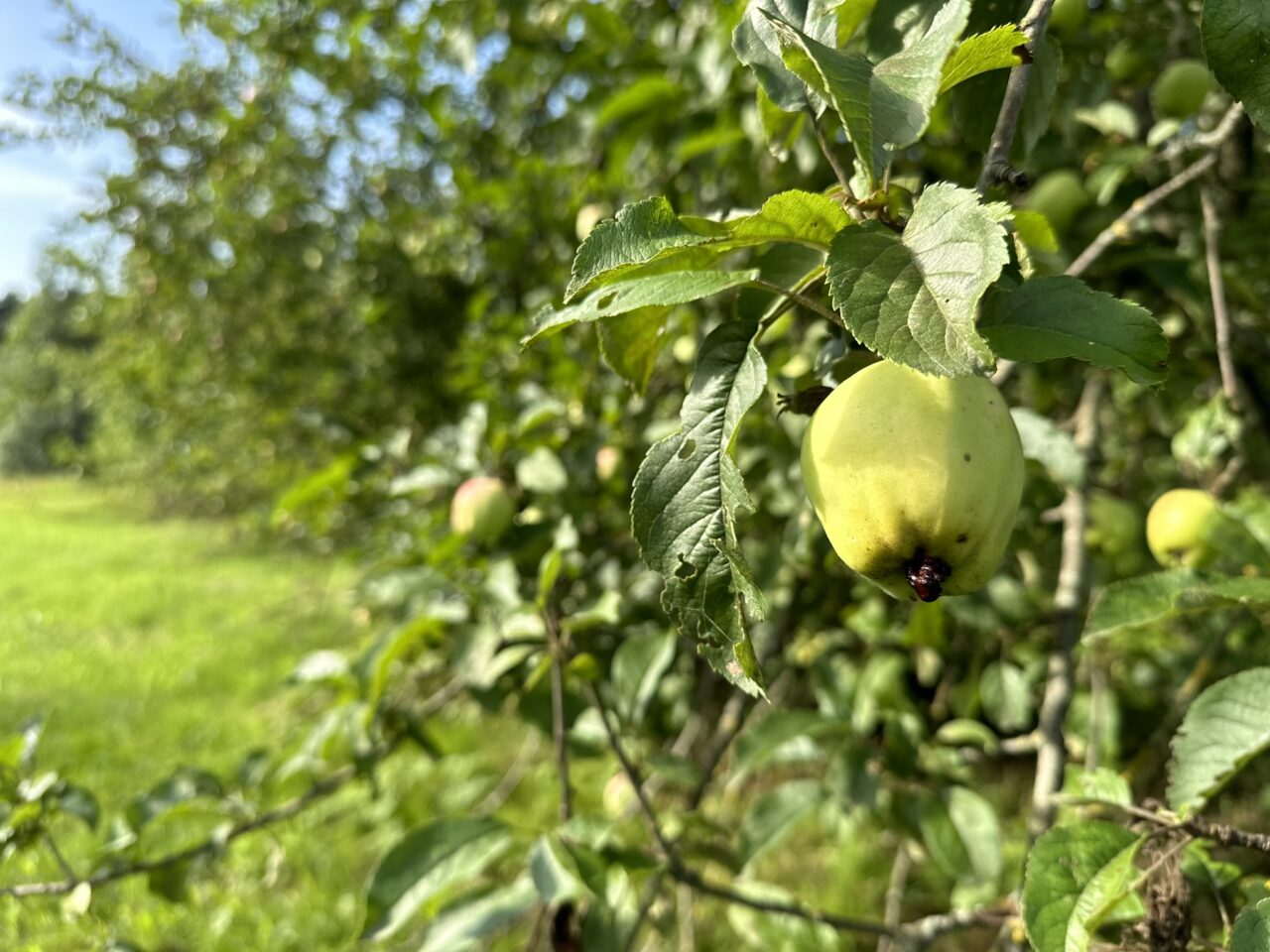
The species we plant vary considerably, but it is also important to us that the trees serve a purpose. For example, we plant apple groves to provide roe deer with easy access to food.
Forests
The forests are named after the grandchildren of the Overgaard family, the former owners of the gravel pits.
Below are some examples of our newly planted forests.

Mona, a three-year-old forest.

Sofia and Palle, two six-year-old forests.

Oak trees are thriving in the Mona forest.

Norway spruce also enjoys favourable growing conditions.
In an area near our gravel pits at Mjøls, we are extracting gravel from land where gravel extraction also took place in the past. Back in 1880, the lake shown below was owned by a local merchant who extracted stone and gravel that was used in connection with railway sleepers.
Gravel extraction continued until the beginning of the Second World War. During the war, the gravel pits were left unused, and in 1946/1947 the land was planted with forest. The area was acquired by Bedsted Lø Grusværker in the 1990s, and following the storm of 1999, which brought down large parts of the forest, gravel extraction resumed. As the forest destroyed by the storm was protected woodland, a replacement forest was planted.


TRIAL WITH PAULOWNIA TREES
We have launched a new trial with Paulownia trees, also known as princess trees or climate trees. The reason is that Paulownia is claimed to absorb more CO₂ and produce more oxygen than any other tree species in the world.
(Source: paulowniatrees.eu)
We planted small Paulownia cuttings in growing bags in May 2023, and after just three months they had already developed into small trees that would soon be ready to be planted outdoors.
A single leaf can grow to up to 0.5 m², and Paulownia is one of the fastest-growing types of tree.
WILDFLOWERS AROUND THE LAKES
Blomsterfloraen omkring søerne er spændende og med mange aktiver – og får lov til at vokse vildt mellem de mange træer. Områderne slås kun ned en gang om året – og dette kun for at give luft til jordbunden.

Ved de to søer, hvor der er offentlig adgang, plantes vilde blomster, som ofte plukkes af de lokale til de skønneste buketter.

Sommerfuglen blodplet spiser de gule planter kaldet engbrandbærer.

Den gule kællingetand er et vigtigt tegn på en kvælstoffri jord.

De smukke blå cikorie-blomster ved søerne er en ældgammel lægeplante, og dens rødder blev under 2. verdenskrig brugt til kaffeerstatning.

LAVER VORES EGEN HONNING
Our honey bees also benefit greatly from the abundance of wildflowers. We have our own beehives around the lakes and produce both pressed and extracted honey.
Pressed honey has a particularly varied flavour because the nutritious pollen is pressed together with the honey.
GENETABLERING AF SØER
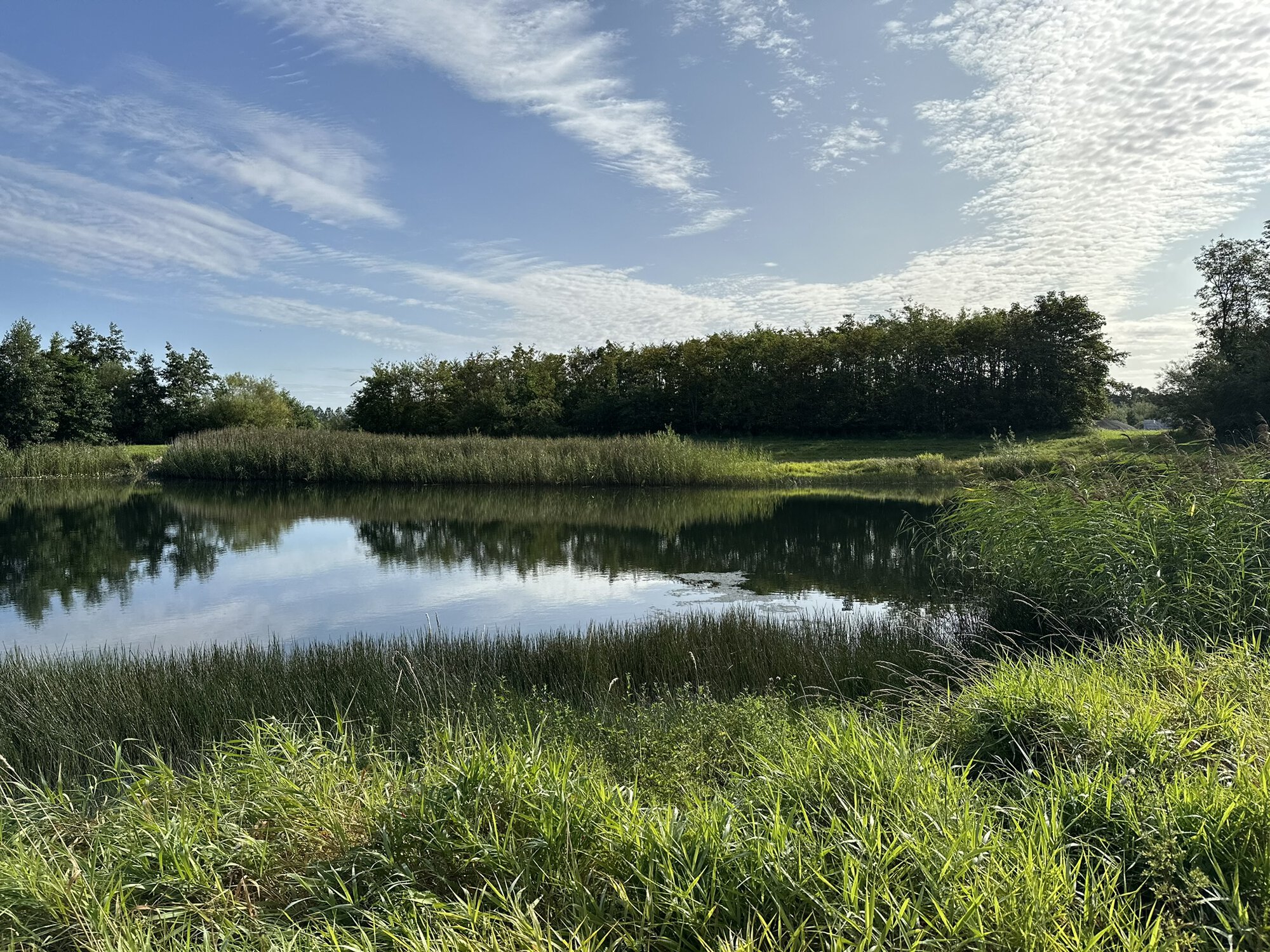
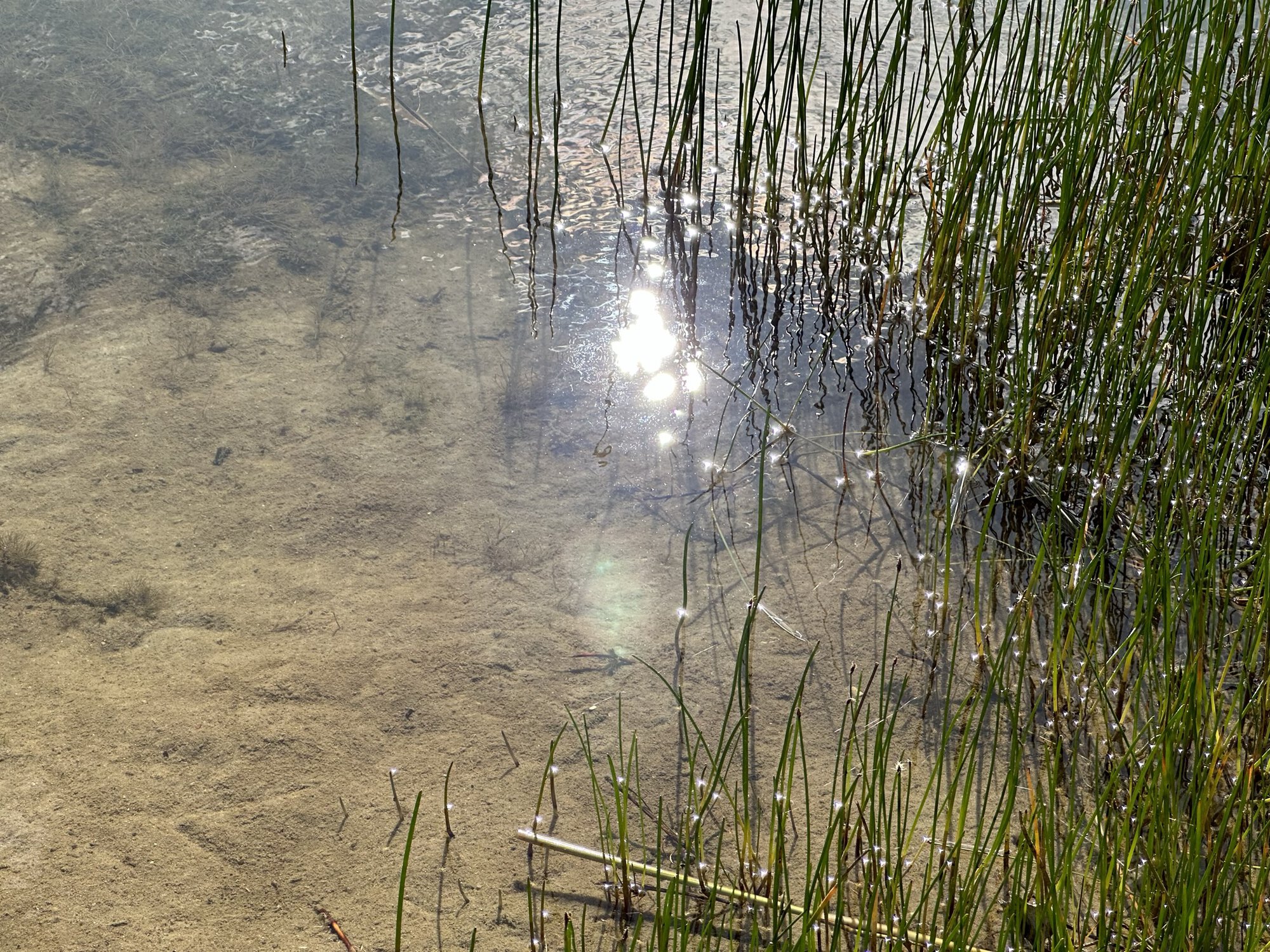
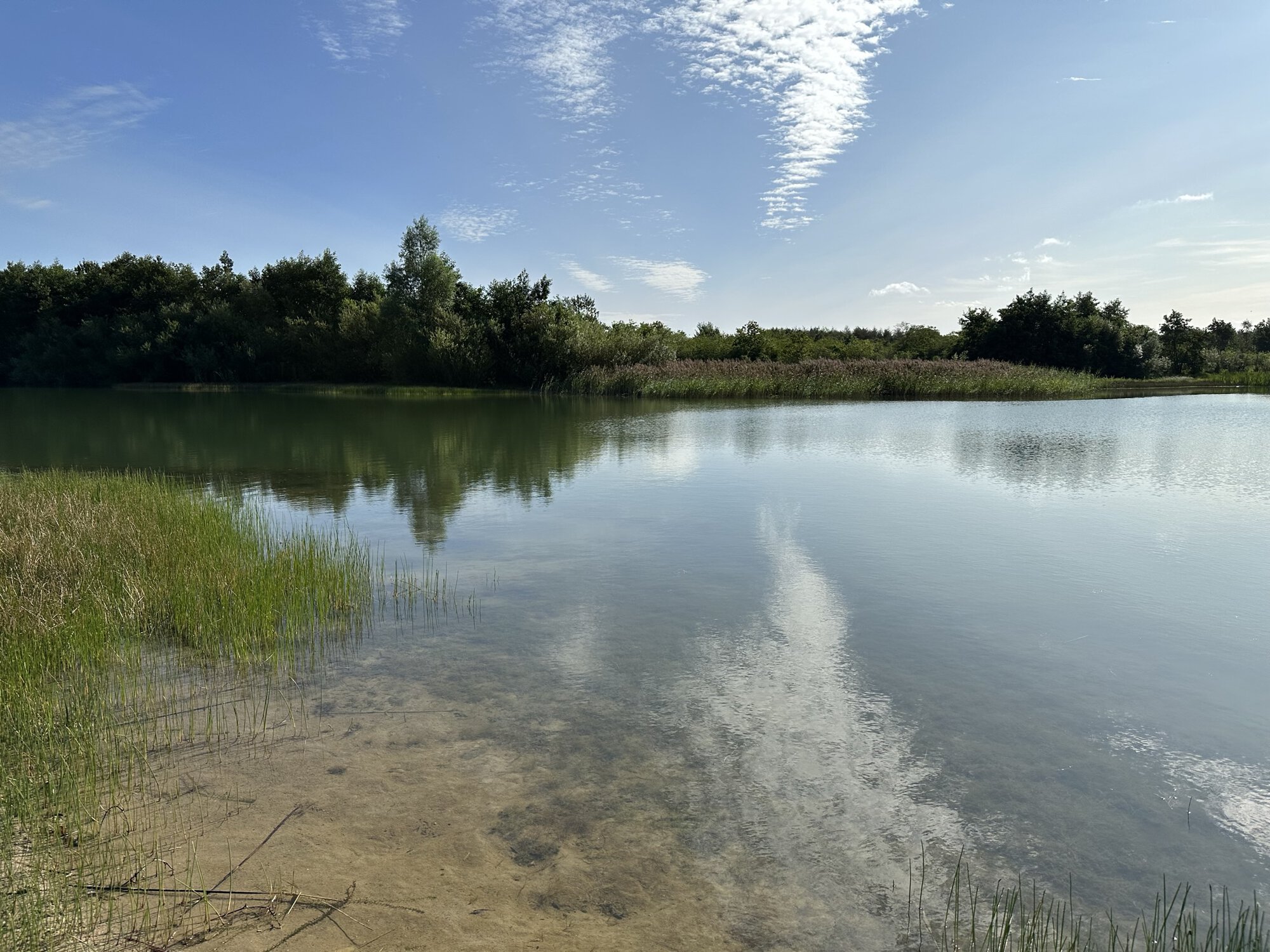
Når udgravningerne er færdige i en sø, så genetablerer vi søerne til stor glæde for dyrene i og omkring søerne. Søerne genetableres bevidst med lavvandede områder, hvor blandt andet dammuslingerne bevæger sig hen over sandet og sætter spor. Dammuslingerne er vigtige, da de holder søen ren og renser vandet.
To andre vigtige dyr til opretholdelse af balancen i søvandet er de to rovfisk ørred og sandart, som vi selv sætter ud. Gedder og aborrer kommer til vores søer med andefuglen, som spreder æggene fra sø til sø.
Vi oplever også et rigt padde- og krybdyrliv omkring vores genetablerede søer samt et uhyre rigt insektliv.
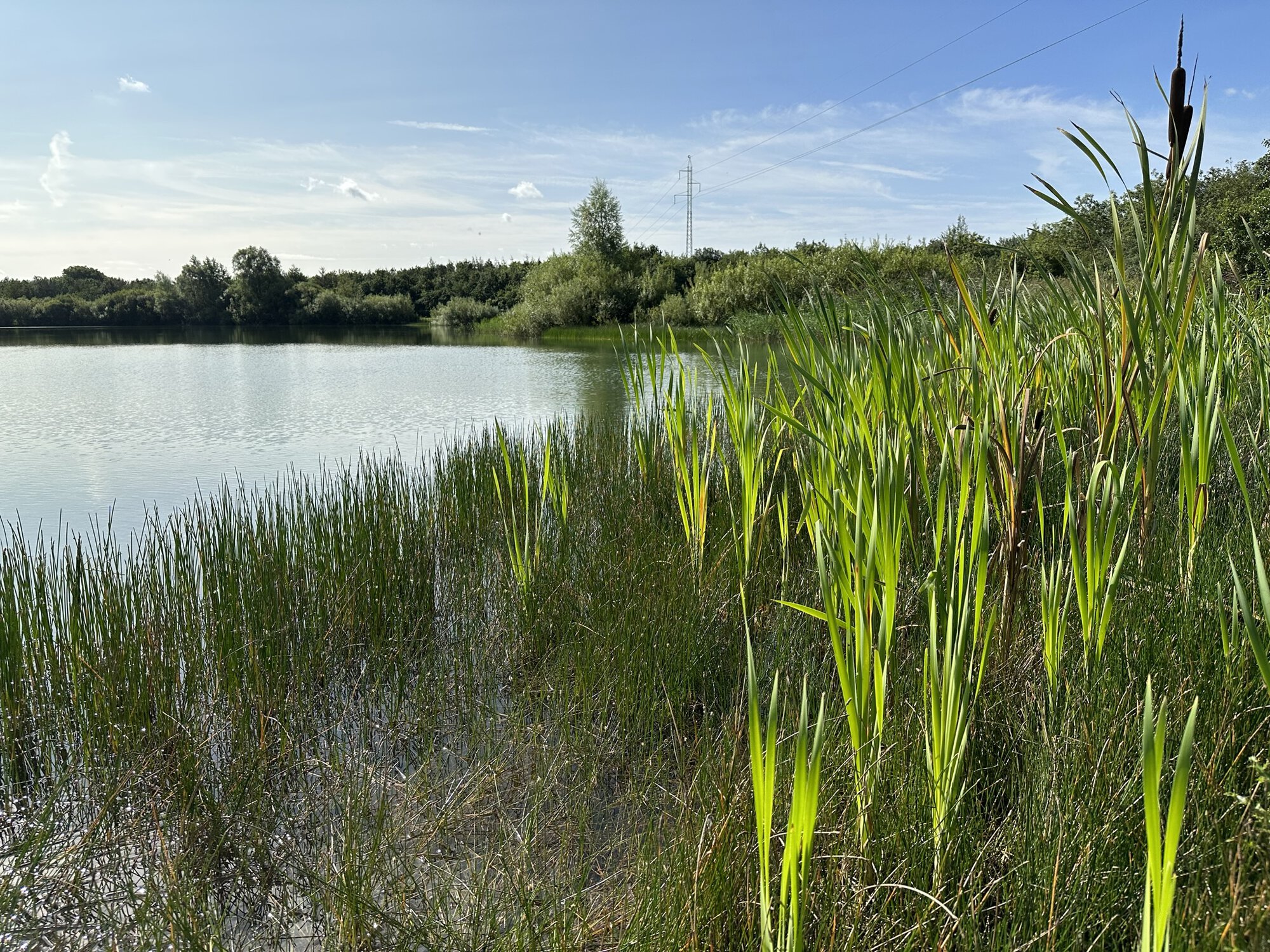
Vandplanter som dunhammer og åkander har særlige gode betingelser i klarvandede grundvandssøer.
ADGANG TIL BADNING I SØRENE
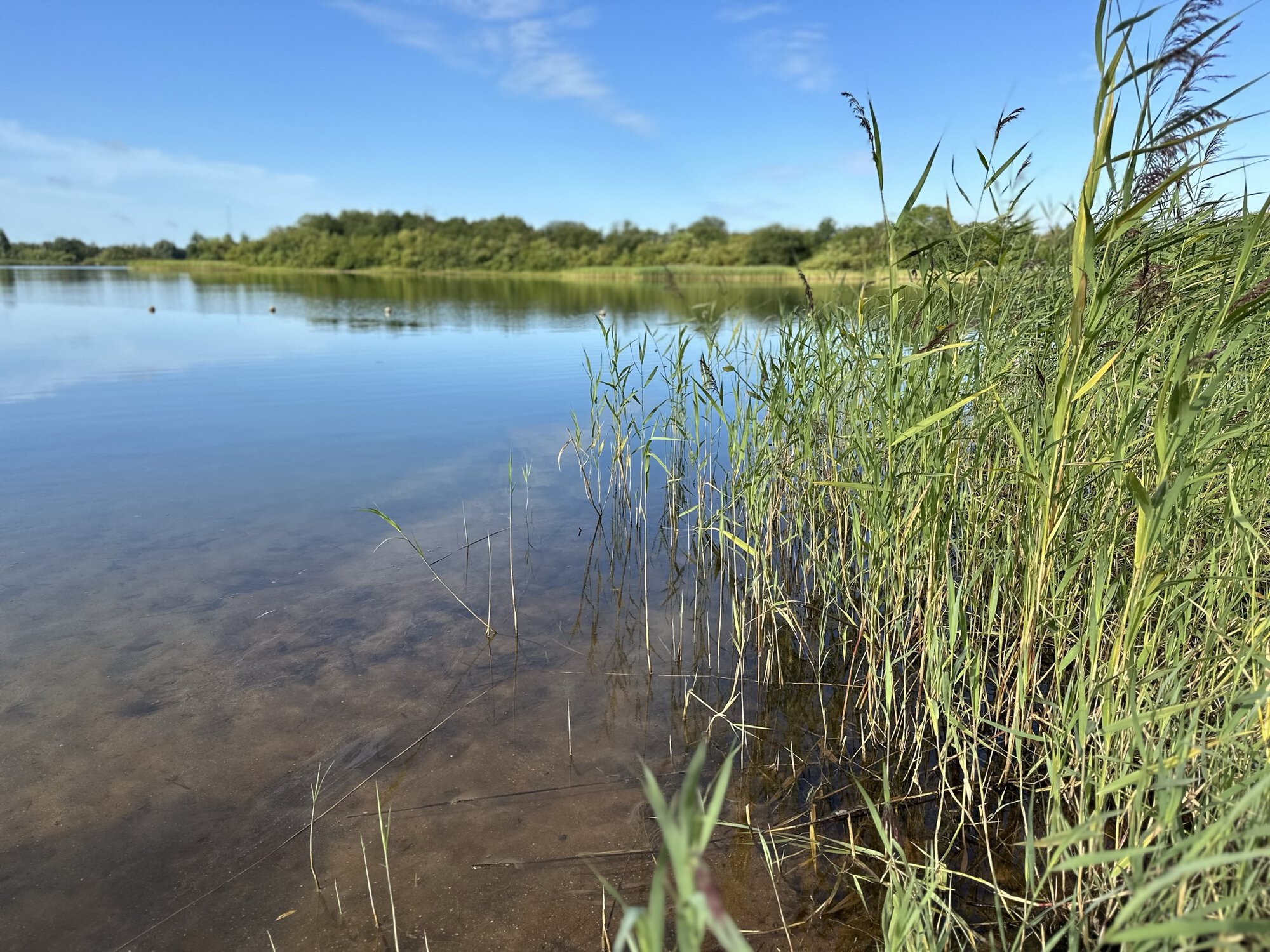
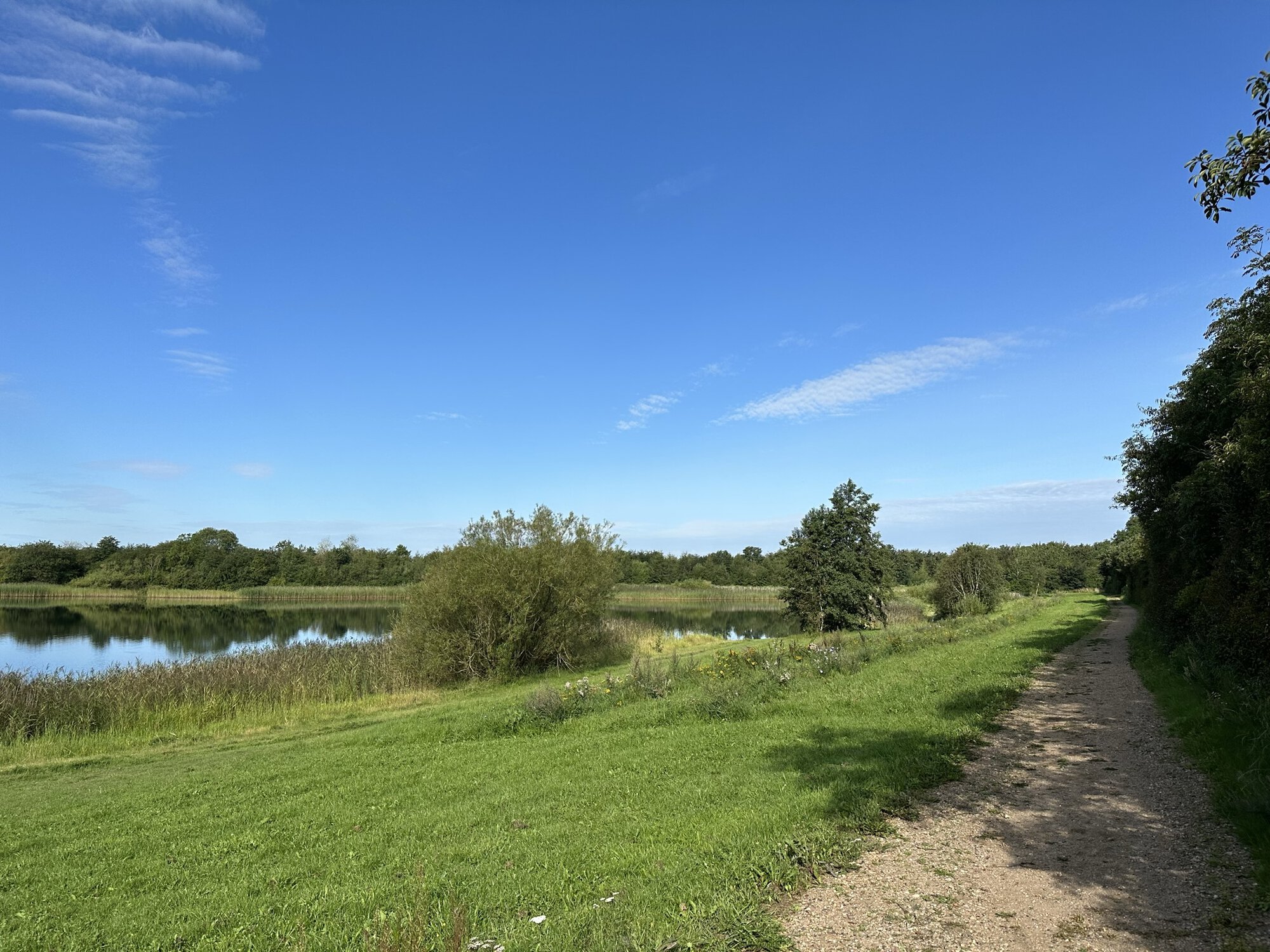
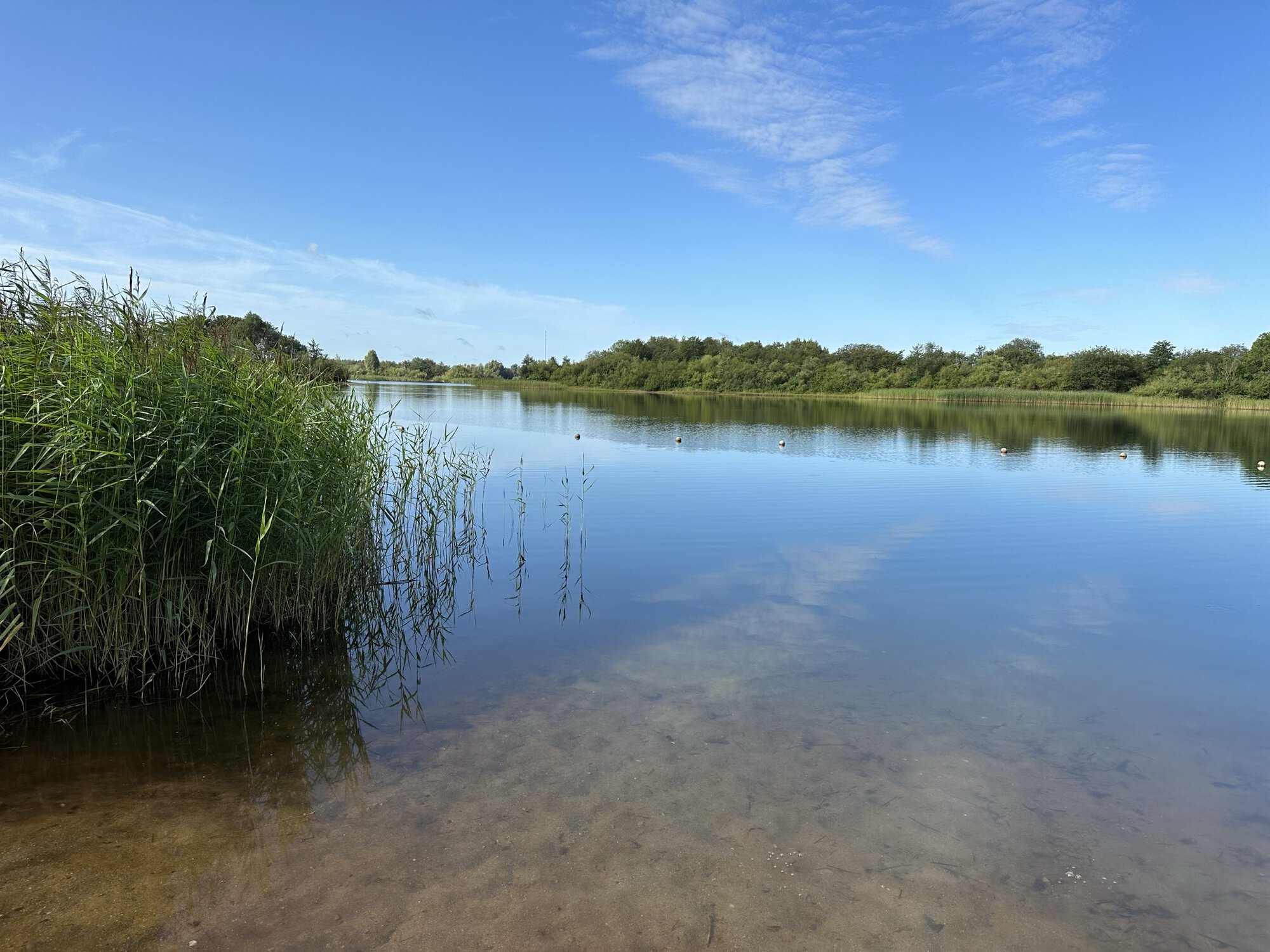
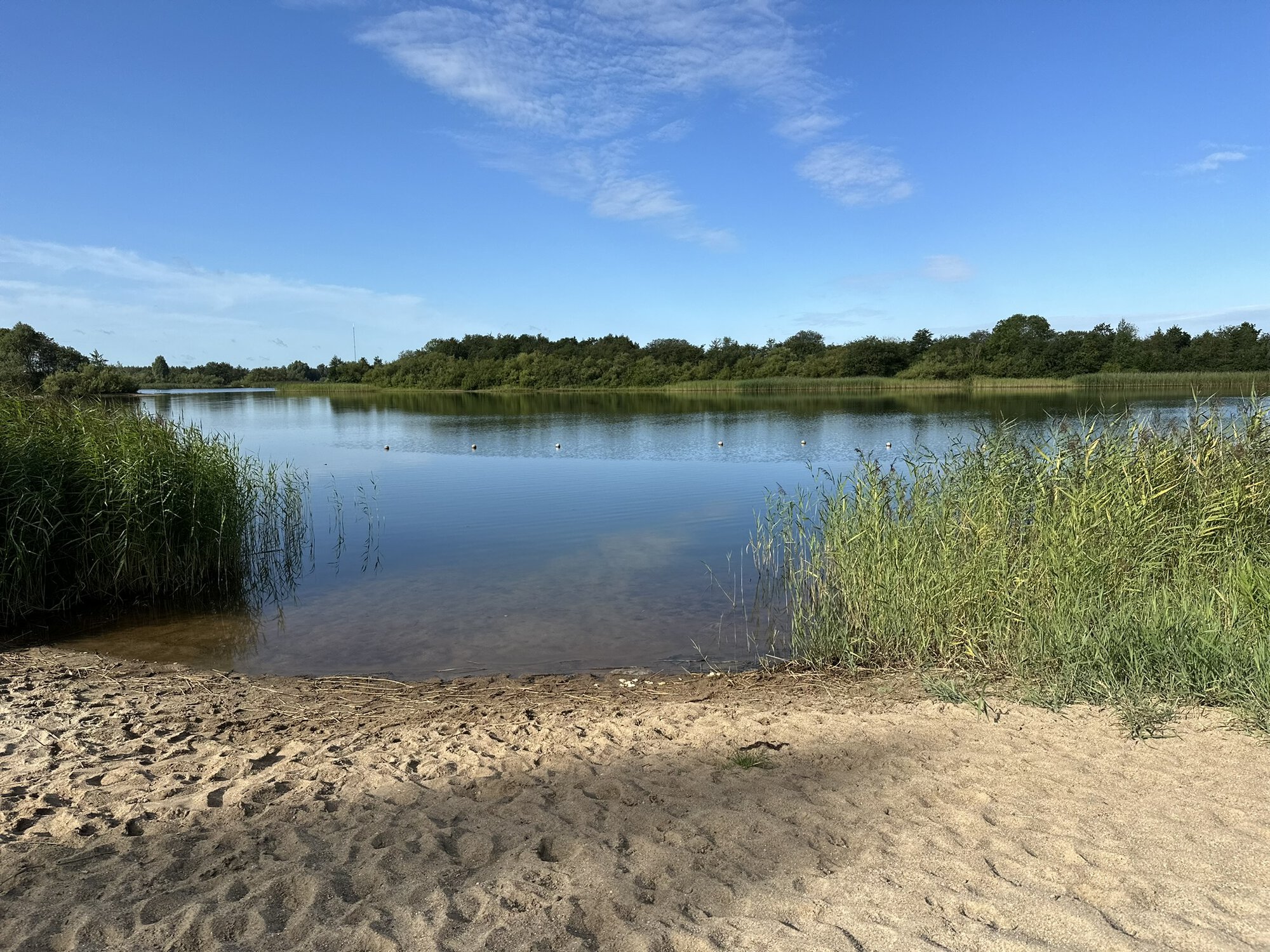
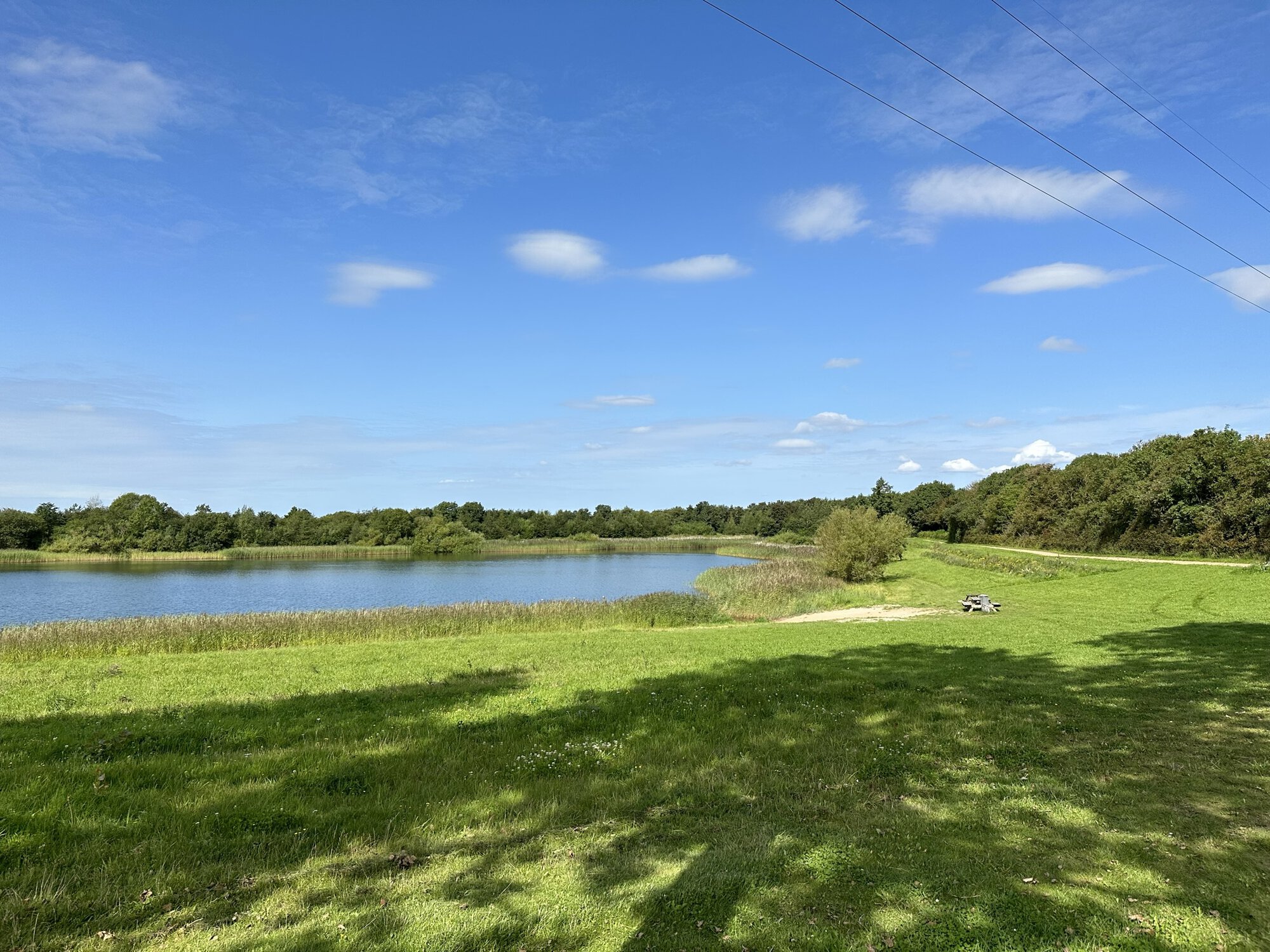
Some of our lakes are developed as recreational areas where people from nearby towns and communities can swim and take part in sporting activities.
We create lakeside areas with tables and benches, shallow-water zones, designated swimming areas and networks of paths around the lakes. White buoys are used to indicate how far swimmers are permitted to venture into the lakes.
The lakes are also used for sporting activities. For example, a triathlon club and a water-skiing club regularly train on the water, and we have even hosted the Danish Water Ski Championships twice.